The reasons that bring someone to analysis are always their own. Some arrive in English — for some their mother tongue, for others the language of a life lived between countries; and sometimes it is the very distance of a borrowed language that lets something finally be said.
Analysis is a particular kind of conversation, sustained over time. You speak as freely as you can, and another person listens — not to advise or reassure, but for what you did not intend to say. A symptom, here, is not only something to be rid of: it carries something, it speaks. The work is learning to read it.
And not everything can be said. In each of us there is something no words quite reach — not a secret waiting to be decoded, but a remainder that no explanation, however complete, ever exhausts. It does not belong to meaning: it asks, instead, for a body to bear it.
What changes is not that suffering disappears, but that your relation to it loosens — opening room to invent another way to live your desire, and to sail across your suffering, within the limits the body and time give to all of us. Wherever you happen to be.
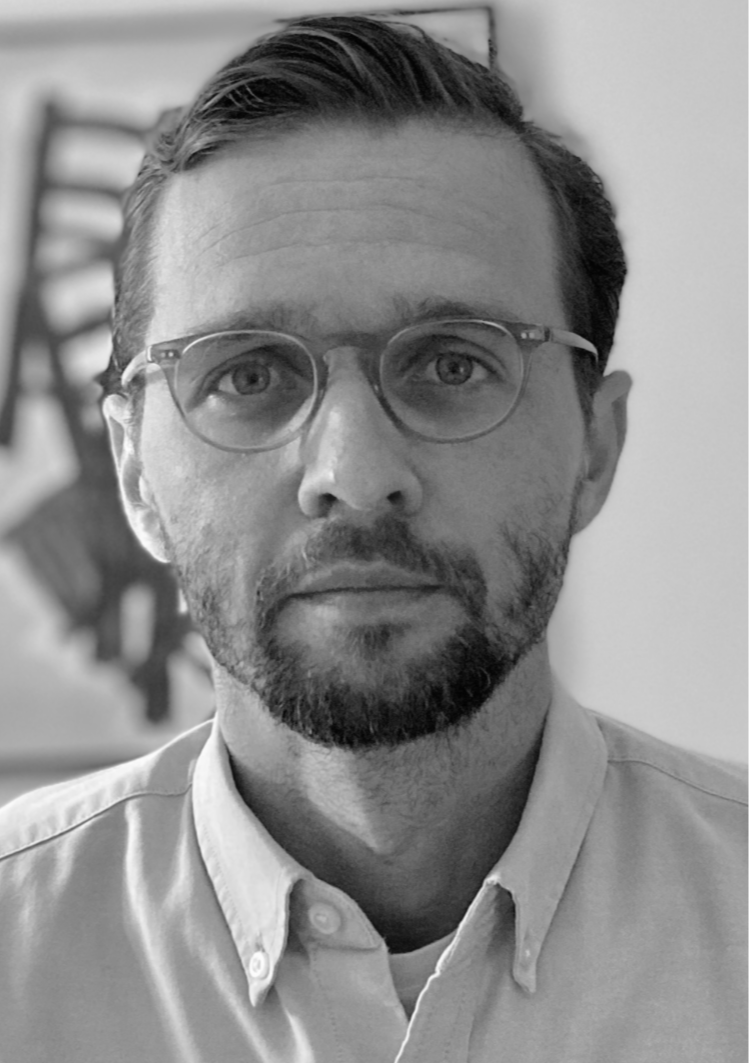
Felipe K. Massaro is a psychoanalyst, with a B.S. in Psychology (UFSC) and a postgraduate degree in Clinical Psychopathology from the University of Barcelona. He studied Dramaturgy at University of California (UCLA), and earned his Ph.D. in Creative Writing (PUCRS) with a dissertation that delved into processes of creation, psychic suffering, and psychoanalysis.
In addition to his clinical experience, he served as a technical consultant for the World Health Organization (PAHO/WHO) and worked providing support to immigrants in Oslo, Norway.
In his training path as an analyst, he served as an adjunct at Apertura Barcelona, an institution that is a member of Convergencia and the European Association for Psychotherapy (EAP). He is currently a member of the Lacanian Psychoanalysis Institute (IPLA), affiliated with the World Association of Psychoanalysis (AMP).